Elevating Modern Design with the Timeless Botanical Ornate Pattern
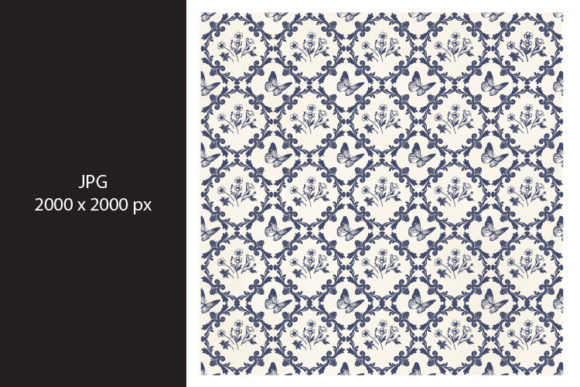
In an era where digital saturation often leads to visual fatigue, there is a growing resurgence of appreciation for designs that ground us in nature while offering sophisticated elegance. The Botanical Ornate Pattern represents this perfect intersection, merging the organic beauty of flora with intricate, decorative detailing. Whether you are a professional graphic designer, a small business owner crafting unique branding, or a hobbyist looking to personalize your living space, these high-resolution assets offer a versatile foundation for creativity. Specifically, utilizing a JPG 300dpi 2000 x 2000 px RGB file ensures that your projects maintain crisp clarity whether they live on a screen or are transferred to physical media.
The relevance of botanical motifs has evolved significantly over the last decade. What was once considered a traditional or even vintage aesthetic has been reimagined to fit modern workflows and contemporary tastes. Today's consumers and clients are increasingly drawn to authenticity and craftsmanship. They seek visuals that tell a story of growth, harmony, and natural beauty. By integrating ornate botanical elements into your work, you tap into a universal language of design that feels both familiar and fresh. This trend is not merely about adding leaves or flowers; it is about leveraging complex, layered patterns that add depth and texture to otherwise flat digital experiences.
The Technical Advantage of High-Resolution Assets
When selecting digital graphics for professional use, technical specifications are just as critical as aesthetic appeal. The distinction between a standard web image and a 300dpi file cannot be overstated. DPI, or dots per inch, determines the resolution quality when an image is printed. A file saved at 300dpi is the industry standard for high-quality printing, ensuring that fine lines in an ornate pattern do not appear pixelated or blurry when rendered on paper.
Furthermore, the dimensions of 2000 x 2000 px provide a substantial canvas. This square format offers flexibility, allowing designers to crop, tile, or center the pattern without losing essential detail. The RGB color mode ensures vibrant, accurate colors when viewed on monitors, tablets, and smartphones, which is essential for web design and digital marketing materials. However, because the source file is high-resolution, it also translates exceptionally well to CMYK conversion for professional printing presses. This dual capability makes such assets invaluable for creators who operate across both digital and physical domains.
Consider the workflow of a modern freelancer. You might be designing a website header for a wellness coach in the morning and preparing invitation cards for a wedding in the afternoon. Having access to a versatile, high-quality botanical pattern streamlines this process. You do not need to search for multiple files or worry about scaling issues. One robust asset can serve multiple purposes, saving time and ensuring brand consistency across different mediums.
Transforming Physical Crafts and Stationery
The tactile nature of handmade items has seen a remarkable revival. In a world dominated by screens, people crave physical objects that feel special and intentional. Handmade craft items and printed paper items benefit immensely from the intricacy of botanical ornate designs. Imagine creating a set of custom stationery for a boutique hotel or a local bakery. Using a high-resolution pattern as a background or border adds a layer of luxury that generic templates simply cannot match.
For those involved in the wedding and event industry, invitation cards and announcements are the first point of contact with guests. The expectation for personalized, high-end design is higher than ever. A botanical ornate pattern can be used to create envelope liners, save-the-date cards, or menu inserts. The 300dpi resolution ensures that when these items are printed on textured cardstock or premium paper, the delicate veins of the leaves and the swirls of the ornate details remain sharp and defined.
Hobbyists and crafters can also leverage these digital elements to create unique party decor. From custom wrapping paper to table runners and backdrop banners, the possibilities are endless. The ability to print these designs at home or through a local print shop empowers individuals to produce professional-grade decorations without the cost of hiring a dedicated design firm. This democratization of design tools allows for greater personal expression in celebrations and gatherings.
Applications in Graphic and Web Design
While the print benefits are obvious, the utility of these patterns in graphic and web design is equally significant. Modern web aesthetics often lean towards minimalism, but there is a counter-movement embracing "maximalism" or rich textures to create memorable user experiences. A botanical ornate pattern can serve as a subtle watermark, a hero section background, or a decorative element in a footer.
When used digitally, the key is balance. Because the pattern is ornate, it works best when paired with ample white space and clean typography. This contrast prevents the design from feeling cluttered while still providing visual interest. For bloggers and content creators, these patterns can be used to create branded social media graphics, eBook covers, or course materials. The consistent use of a signature botanical motif helps in building a recognizable visual identity.
Moreover, the trend towards biophilic design—incorporating natural elements into built environments—extends to digital spaces. Studies suggest that exposure to nature-inspired imagery can reduce stress and improve focus. By integrating Botanical Ornate Pattern elements into corporate presentations, educational slides, or app interfaces, designers can subtly enhance the user's emotional connection to the content. It creates a calming atmosphere that encourages engagement and retention.
Strategic Branding and Market Differentiation
For entrepreneurs and business owners, standing out in a crowded marketplace is a constant challenge. Generic stock photography often fails to convey a unique brand personality. Customizing your visual assets with distinct patterns offers a pathway to differentiation. A skincare brand might use a soft, leafy ornate pattern to emphasize natural ingredients, while a luxury tea company could use a more intricate, dark-floral design to suggest heritage and sophistication.
The versatility of the JPG 300dpi 2000 x 2000 px RGB format means these patterns can be adapted for various touchpoints in a customer's journey. They can appear on packaging labels, shopping bags, loyalty cards, and digital advertisements. This consistency reinforces brand recognition. When a customer sees the same elegant botanical motif on your website and then on the product box they receive, it creates a cohesive and professional brand experience.
Additionally, these patterns support the growing demand for sustainability in branding. Botanical themes naturally align with eco-friendly values. By choosing designs that celebrate nature, businesses can visually communicate their commitment to environmental stewardship without explicitly stating it. This subtle signaling resonates strongly with conscious consumers who prioritize sustainability in their purchasing decisions.
Practical Tips for Implementation
To get the most out of these digital graphics elements, consider the following practical approaches:
- Layering and Opacity: When using the pattern in web design or overlaid on photos, adjust the opacity. Lowering it to 10-20% can create a sophisticated texture that doesn't compete with foreground text.
- Color Adaptation: While the original file is in RGB, do not hesitate to recolor the elements to match your specific brand palette. Most design software allows you to shift hues while maintaining the integrity of the ornate details.
- Tiling for Large Formats: For large scale prints like wall art or backdrops, ensure the pattern tiles seamlessly. The 2000px dimension is usually sufficient for creating a repeatable tile that looks continuous when expanded.
- Contrast Management: Ensure there is enough contrast between the pattern and any text placed over it. If the pattern is busy, place text inside a solid or semi-transparent shape to maintain readability.
It is also important to respect the licensing terms of the digital assets you purchase or download. Ensure you have the right to use the graphics for commercial purposes if you are creating products for sale, such as handmade cards or printed merchandise.
The Future of Decorative Digital Art
As technology advances, the way we interact with static images may change, but the fundamental desire for beauty and order remains constant. Augmented reality (AR) and interactive displays are beginning to incorporate static patterns as base layers for dynamic experiences. A botanical pattern on a package could eventually trigger an AR animation showing the plant's growth cycle. Starting with a high-quality, detailed source file ensures readiness for these future innovations.
The evolution of the Botanical Ornate Pattern reflects a broader shift in design culture: a move away from the sterile and generic toward the curated and meaningful. Whether you are designing a wall art piece for your home, crafting invitations cards for a milestone event, or developing a comprehensive brand identity, these elements provide the raw material for excellence. By understanding the technical strengths of high-resolution JPGs and applying them with creative intent, you can produce work that stands the test of time and trends alike.
Ultimately, the value of these graphics lies in their ability to adapt. They are chameleons in the design world, capable of fitting into a rustic farmhouse aesthetic or a chic, modern urban layout. The constraint is not the tool, but the imagination of the creator. As you explore the potential of these botanical elements, remember that the goal is to enhance communication and evoke emotion. With the right application, a simple pattern can transform a mundane project into a work of art.