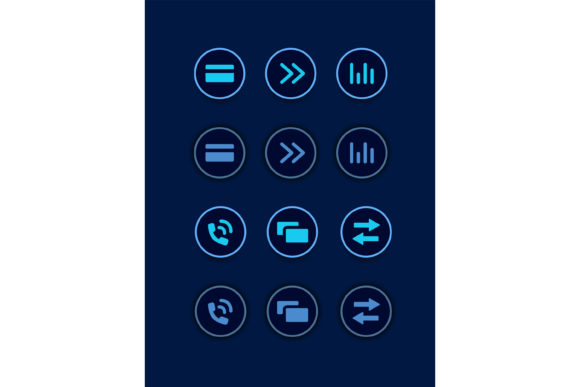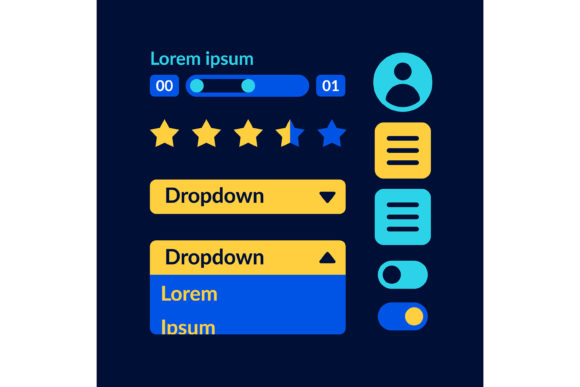
Streamlining User Experience with a Comprehensive Buyer Account UI Elements Kit
In the fast-paced world of mobile application development, the difference between a user who stays and one who leaves often comes down to the quality of the interface. Nowhere is this more critical than in the buyer account section of an e-commerce or service-based app. This is the hub where users manage their identities, track orders, adjust preferences, and handle sensitive financial data. To build a seamless experience here, designers and developers increasingly rely on a specialized Buyer Account UI Elements Kit. This collection of pre-designed assets serves as a foundational tool for creating intuitive, visually striking, and highly functional user interfaces, particularly for those aiming to implement a modern dark theme.
The primary challenge facing design teams today is balancing speed-to-market with high-quality customization. Building a dashboard from scratch requires countless hours of sketching, vectoring, and testing. Without a solid starting point, teams risk inconsistent styling, poor accessibility, and wasted resources. A robust Buyer account UI elements kit addresses these pain points directly by providing a cohesive library of ready-to-use components. Whether you are a startup founder looking to launch a minimum viable product quickly or an established enterprise seeking to refresh your mobile presence, having access to professional-grade widgets can drastically reduce development time while elevating the final product.
Understanding the Core Components of the Kit
A high-quality UI kit is more than just a folder of images; it is a systematic approach to interface design. When evaluating a Buyer Account UI Elements Kit, you should look for a comprehensive range of assets that cover every interaction a user might have within their profile. Essential elements typically include settings panels, navigation structures, data visualization tools, and interactive menus.
One of the most vital components included in these kits is the settings module. This is where users exercise control over their experience, from notification preferences to privacy controls. A well-designed settings interface must be clear and logical, preventing user frustration. Similarly, the dropdown menu isolated vector icon is a small but mighty element. It ensures that navigation remains clean and uncluttered, allowing users to access sub-menus without overwhelming the screen real estate. These icons, when provided in scalable formats, ensure crisp rendering on any device resolution.
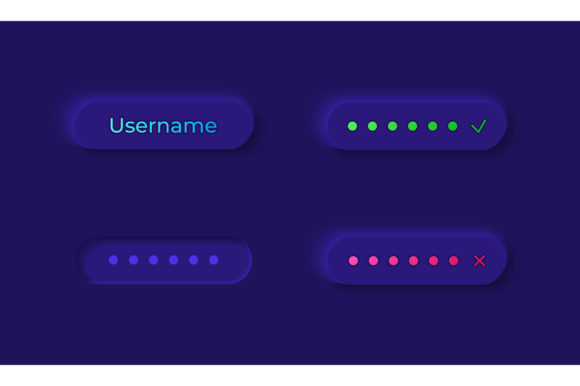
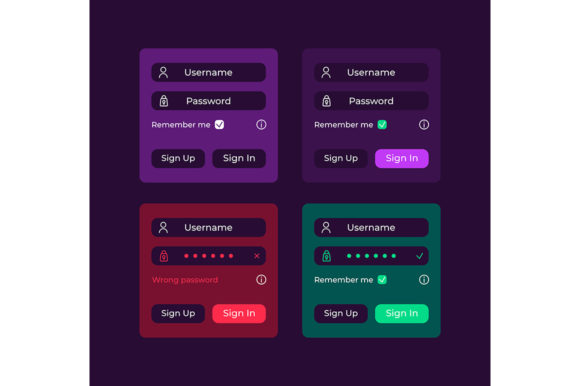
Furthermore, the heart of any buyer account is the bar and dashboard template. This is the command center where users get an at-a-glance view of their activity, spending habits, and order status. A good kit provides multiple variations of these dashboards, allowing designers to choose layouts that best fit their specific data hierarchy. For modern applications, the inclusion of a dark theme interface is no longer optional; it is a user expectation. Dark modes reduce eye strain, save battery life on OLED screens, and offer a sleek, premium aesthetic that many consumers prefer for night-time browsing.
Practical Applications and Implementation Strategies
The versatility of a Buyer Account UI Elements Kit lies in its adaptability across different stages of the design and development workflow. Because these kits typically come in a wide array of file types—such as JPG, EPS, PNG, SVG, and AI—they integrate smoothly into various software ecosystems. Graphic designers can manipulate the AI (Adobe Illustrator) and EPS files to tweak vector shapes and colors, ensuring brand consistency. Meanwhile, UI/UX designers working in prototyping tools can import PNG or SVG assets directly to build interactive mockups.
Consider a scenario where a fintech company is launching a new mobile wallet. Their goal is to convey security and sophistication. By utilizing a Buyer account UI elements kit with a built-in dark theme, they can instantly establish a trustworthy visual tone. The pre-made dashboard templates allow them to visualize transaction histories and balance summaries effectively, while the isolated vector icons ensure that every button and toggle looks sharp on high-density retina displays. This approach allows the team to focus on the logic of the financial transactions rather than worrying about the pixel-perfect alignment of a settings gear icon.
Another practical application is in the realm of e-commerce marketplaces. Here, the user journey is complex, involving order tracking, address management, and return requests. A comprehensive widget collection enables designers to map out these flows rapidly. Instead of designing each screen individually, they can assemble the interface like a puzzle, using the standardized components from the kit. This not only speeds up the design phase but also ensures a consistent user experience throughout the app, which is crucial for building user trust.
Tailoring the Experience for Different Users
Different stakeholders approach the Buyer Account UI Elements Kit with unique objectives, and understanding these perspectives maximizes the value of the resource.
- For Freelance Designers: Time is money. A freelance designer tasked with delivering a full app prototype in a short timeframe can use the kit to bypass the initial wireframing and asset creation stages. They can focus on customizing the color palette and typography to match the client's brand, delivering a polished result days faster than usual.
- For Development Teams: Developers often struggle with interpreting vague design specs. When a designer uses a structured kit with standardized components like the bar and dashboard template, the handoff process becomes smoother. The clear structure of the assets helps developers understand the intended layout and behavior, reducing back-and-forth communication and coding errors.
- For Product Managers: The focus is on user retention and satisfaction. By advocating for the use of a professional UI kit, product managers ensure that the final interface meets industry standards for usability. The inclusion of essential elements like the dropdown menu isolated vector icon and comprehensive settings pages ensures that no critical functionality is overlooked during the rush to launch.
Maximizing Value Through Strategic Customization
While a Buyer Account UI Elements Kit provides a strong foundation, the true magic happens when these elements are thoughtfully customized. Blindly using default assets can result in an app that looks generic. To avoid this, designers should treat the kit as a starting point rather than a finished product.
Start by analyzing the dark theme interface provided. Does the contrast ratio meet accessibility standards for your specific audience? Adjust the shades of gray and black to ensure text remains readable while maintaining the aesthetic appeal. Next, look at the web design widget collection. Are the buttons and input fields sized appropriately for thumb navigation on mobile devices? You may need to scale certain elements or adjust spacing to optimize for touch interactions.
It is also important to consider the technical constraints of your platform. While SVG and AI files offer infinite scalability, ensure that your development environment supports them efficiently. In some cases, exporting specific assets as PNG or JPG might be necessary for performance optimization, especially for complex backgrounds or shadows. The availability of multiple file formats in the kit gives you the flexibility to make these trade-offs without losing quality.
Conclusion: Building Better Interfaces Faster
In conclusion, the Buyer Account UI Elements Kit is an indispensable resource for anyone involved in creating modern mobile applications. It solves the perennial problems of inconsistency, slow production times, and subpar visual quality. By providing a rich collection of settings modules, navigation icons, dashboard templates, and dark theme interfaces, these kits empower teams to focus on what truly matters: solving user problems and delivering value.
Whether you are refining an existing app or building a new platform from the ground up, leveraging a professional UI kit allows you to achieve a polished, professional look with greater efficiency. The ability to work across various file types like JPG, EPS, PNG, SVG, and AI ensures that these assets fit seamlessly into any workflow. Ultimately, investing in a high-quality Buyer account UI elements kit is an investment in the user experience, leading to higher engagement, better retention, and a stronger brand presence in the competitive digital marketplace.