Unlocking the Aesthetic Potential of Watch Faces in Modern Digital Design
In an era where digital interfaces dominate our daily interactions, the visual language of timekeeping has transcended its functional roots to become a cornerstone of artistic expression. Watch faces are no longer merely tools for telling time; they are curated design elements that convey personality, brand identity, and aesthetic preference. For designers, photographers, scrapbookers, and content creators, the integration of high-quality clock imagery into projects offers a unique opportunity to blend nostalgia with modern utility. The resurgence of interest in vintage watch aesthetics and Steampunk motifs reflects a broader cultural desire for tangible history within a increasingly virtual world.
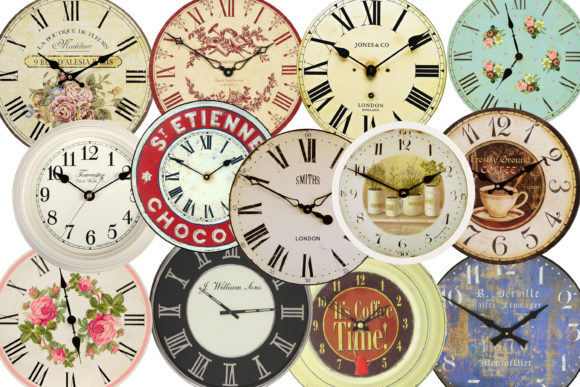
The relevance of these assets extends far beyond simple decoration. In professional workflows, the ability to access distinct, high-resolution clock faces and timepieces allows for the creation of compelling visual narratives. Whether designing a marketing campaign for a luxury brand, creating educational materials about history, or crafting personal keepsakes through scrapbooking, the specific details of a dial can set the tone for the entire piece. This shift in demand has led to a proliferation of digital resources, yet the market remains saturated with low-quality, generic images. True value lies in finding specialized collections, such as those featuring unique color palettes like soft pinks or intricate antique watch mechanisms, which offer a departure from the standard black-and-white industrial look.
The Evolution of Timepiece Imagery in Creative Workflows
The journey of watch faces from mechanical components to digital assets mirrors the evolution of design technology itself. Historically, incorporating a specific clock image into a layout required physical photography, scanning, and extensive retouching to remove backgrounds or correct lighting. Today, the workflow is streamlined through the availability of premium printable images and digital elements. This evolution caters to the modern creator's need for speed without sacrificing quality. Professionals now expect assets that are ready to deploy across various mediums, from high-definition web banners to crisp print collateral.
Current trends indicate a moving away from ultra-minimalist digital clocks toward designs that embrace complexity and texture. The Steampunk genre, characterized by brass gears, exposed mechanics, and Victorian-era styling, has influenced mainstream design, appearing in everything from video game interfaces to fashion editorials. Similarly, the vintage watch aesthetic appeals to audiences seeking authenticity. When a designer incorporates a clock image that features worn numerals or classic typography, it instantly imbues the project with a sense of heritage and trustworthiness. This is particularly vital for businesses aiming to establish long-term credibility or for educators illustrating historical timelines.
Furthermore, the versatility of these assets has expanded their application. A single set of timepieces can serve multiple functions within a project suite. For instance, a cohesive collection of watch faces can be used to create a series of social media posts, a website header, and a printed brochure, ensuring brand consistency. The key to leveraging this trend effectively is selecting assets that offer flexibility. High-resolution files with transparent backgrounds are essential, allowing the imagery to sit seamlessly over any color scheme or texture without the awkward white boxes that plague lower-quality downloads.
Practical Applications for Designers and Content Creators
For the working professional, the practical implications of having a dedicated library of clock faces and related elements are significant. Consider the scenario of a graphic designer tasked with creating a promotional flyer for a "Time Management" workshop. Using a generic clip-art clock might undermine the professional tone of the event. However, utilizing a sophisticated antique watch illustration or a stylized Steampunk gear assembly can elevate the design, making it visually arresting and thematically appropriate. These elements act as visual metaphors, communicating concepts of precision, history, and value before the viewer even reads the headline.
Photographers also find immense value in these digital overlays. In portrait photography, adding a subtle clock image or gear motif in post-production can enhance a theme related to aging, deadlines, or historical reenactment. The ability to layer these elements non-destructively is crucial. This is why the format of the asset matters immensely. Files provided as separate PNG files with transparent backgrounds ensure that the designer retains full control over opacity, blending modes, and positioning. Whether the goal is to create a dreamy, ethereal composition or a gritty, industrial poster, the source material must be robust enough to withstand manipulation.
Scrapbooking and hobbyist communities have long embraced the charm of vintage watch imagery. In this context, printable images allow enthusiasts to create personalized journals, planners, and greeting cards that feel hand-crafted yet polished. The trend of "junk journaling," which mixes ephemera and decorative papers, relies heavily on high-quality cut-outs of timepieces and mechanical parts. A collection that offers variety—such as different hand styles, numeral fonts, and casing shapes—provides the raw material needed for endless creative combinations. This democratization of design assets empowers individuals to produce work that rivals professional output.
Navigating Quality and Technical Specifications
When sourcing watch faces and collage elements, technical specifications are not just bureaucratic details; they are the foundation of a successful project. The resolution of an image determines its viability for print versus web use. An image suitable for a website thumbnail may appear pixelated and unprofessional when printed on a standard letter-sized page. Therefore, acquiring assets with a resolution of at least 300 PPI (pixels per inch) is a non-negotiable standard for serious creators. This density ensures that fine lines, such as the delicate hands of a clock or the teeth of a gear, remain sharp and defined regardless of the output medium.
Color fidelity is another critical factor. While many clock faces are available in monochrome, there is a growing demand for colored variations to match specific brand palettes or artistic visions. For example, a collection featuring pink color elements offers a fresh, modern twist on the typically masculine or neutral tones associated with machinery and timekeeping. This specific aesthetic choice can soften the industrial edge of Steampunk designs, making them suitable for lifestyle brands, wedding invitations, or feminine-focused marketing campaigns. Having access to pre-colored elements saves considerable time in post-processing, where colorizing grayscale images can often result in flat or unnatural tones.
The structure of the file delivery also impacts workflow efficiency. Receiving a single flattened image containing multiple designs forces the user to spend time cropping and isolating each element. In contrast, a package offering separate PNG files for each design streamlines the process. It allows the user to drag and drop specific components directly into their software of choice, whether that be Adobe Photoshop, Canva, Procreate, or Affinity Designer. This modularity supports a more experimental approach to design, encouraging users to mix and match parts from different timepieces to create entirely new, hybrid instruments that never existed in reality.
Maximizing Value Through Versatile Digital Elements
The true power of a comprehensive digital kit lies in its adaptability. A well-curated set of 13 high-quality digital elements does more than just provide pictures; it provides a toolkit for storytelling. Imagine a blogger writing an article about the history of innovation. They can utilize the antique watch graphics to break up text, illustrate key points, and create custom featured images that stand out in social media feeds. An entrepreneur launching a new productivity app might use these same assets to design icons, loading screens, and promotional banners that subtly reinforce the concept of time without being cliché.
Educators can also leverage these resources to make learning materials more engaging. History lessons regarding the Industrial Revolution come alive with visuals of Steampunk-inspired machinery and vintage watch mechanisms. Math teachers explaining angles and degrees can use the circular nature of clock faces as a visual aid. The transparency of the background ensures that these images can be placed over colorful slides or textured paper without distraction. This cross-disciplinary utility highlights why investing in high-quality, versatile assets is a smart move for professionals across various sectors.
Moreover, the compatibility of these files with "all image programs" removes technical barriers to entry. Users are not forced to purchase expensive proprietary software to utilize their purchases. This inclusivity fosters a more vibrant creative community where freelancers, small business owners, and hobbyists can compete on the quality of their ideas rather than the cost of their tools. As the digital landscape continues to evolve, the demand for such flexible, high-fidelity assets will only grow. Creators who build their libraries with these foundational elements today will be well-equipped to meet the diverse visual challenges of tomorrow.
In conclusion, the strategic use of watch faces, collage sheets, and related timepiece imagery represents a convergence of art, history, and technology. By understanding the nuances of resolution, format, and stylistic trends, creators can unlock the full potential of these digital elements. Whether the goal is to evoke the intricate beauty of a Steampunk universe, the elegance of a vintage watch, or the modern utility of a sleek interface, the right assets make all the difference. Embracing these resources allows for a richer, more nuanced visual language that resonates with audiences and elevates the quality of creative output across both web and print platforms.